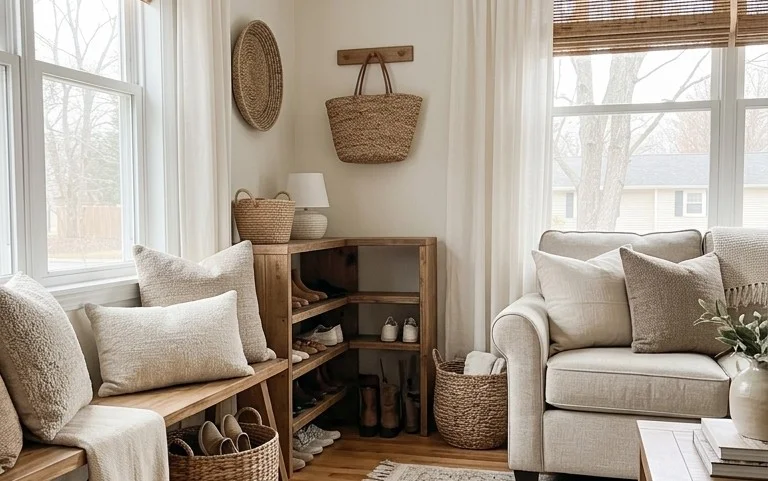
Easy Back-to-School Supply List Ideas
Get a jump on back-to-school shopping and finally conquer that pre-fall frenzy! Are you tired of that overflowing closet where last year’s supplies seem to multiply, only to be discovered in a frantic last-minute scramble? We’ve all been there, wading through a sea of stray pens and forgotten notebooks. Imagine instead a calm, organized space where everything your child needs is neatly arranged, ready for action. This isn’t a dream; it’s totally achievable in under an hour, and with a budget that won’t break the bank, often under $50! In this guide, I’ll walk you through creating simple, effective supply lists tailored to different ages, making back-to-school prep a breeze and giving you peace of mind. Let’s get your home ready for learning!
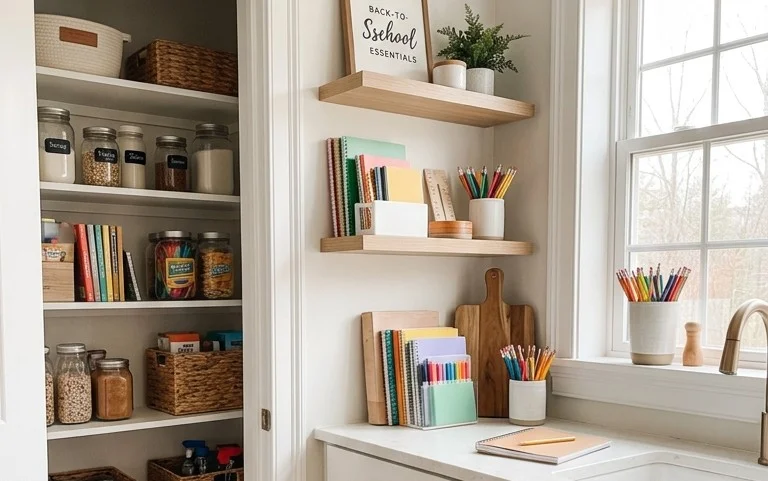
Get a Jump on Back-to-School Shopping With These Supply Lists
The air is starting to shift, and while it might still feel like summer’s peak, savvy parents know that now is the *perfect* time to start thinking about back-to-school. Why wait until the last minute and face crowded aisles and rising prices? Getting a head start on your back-to-school shopping for supplies, both for the classroom and for home organization, can save you time, money, and a whole lot of stress. I’ve found that tackling this strategically, rather than impulsively, makes a huge difference. Let’s dive into how we can make this year’s back-to-school transition smooth sailing.
The Essential Toolkit: What You Need and Roughly What It Costs
Before we even think about hitting the stores, it’s important to have a general idea of what we’re looking for and what our budget might be. This isn’t an exhaustive list for every single grade and subject, as those vary wildly, but rather a framework for the common organizational tools and basic supplies.
For basic school supplies, think about items that will be used daily. We’re talking about:
* **Notebooks/Binders:** A mix of spiral notebooks (around $1-3 each) and binders (3-ring, 1-inch, around $4-8 each). For a typical student, I’d budget for at least 5-7 notebooks and 2-3 binders.
* **Pens and Pencils:** A good supply is key! A pack of 10-12 blue/black pens ($3-6) and a box of 12-24 pencils ($3-7). Don’t forget a pencil sharpener ($2-4) and an eraser ($1-2).
* **Folders:** 5-10 durable plastic folders ($0.50-2 each) for loose papers.
* **Glue/Scissors:** A couple of glue sticks ($1-3 each) and a pair of kid-safe scissors ($3-5).
* **Highlighters/Markers:** A small pack of assorted highlighters ($3-6) and a basic set of markers ($4-8).
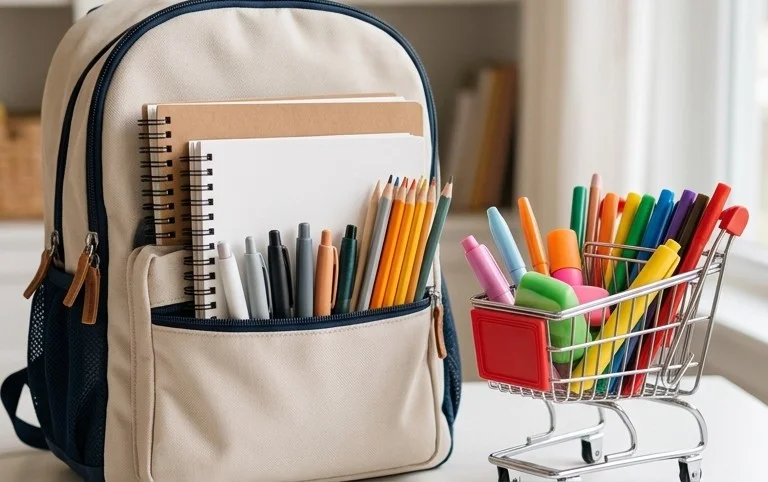
* **Backpack:** A sturdy, comfortable backpack is crucial. Prices can range from $20-60 depending on brand and features.
Now, let’s talk about home organization supplies that will support those school-day endeavors:
* **Storage Bins/Crates:** These are your best friends for keeping things contained. Look for a mix of sizes. Small clear bins (around 6x4x3 inches, $3-7 each) are great for smaller items, while larger fabric bins (around 12x12x10 inches, $8-15 each) can hold textbooks, projects, or even dirty laundry. I’d suggest starting with 4-6 of various sizes.
* **Desk Organizer/Pen Holder:** A desktop caddy or a simple pen cup can prevent clutter from spreading. These can range from $5-20.
* **Wall-Mounted Shelving/Peg Boards (if allowed):** If you can’t drill, consider tension rod shelves or over-the-door organizers. If drilling is an option, simple floating shelves (around $15-30 each) or pegboards (around $20-40) can be incredibly versatile.
* **Labels:** A good label maker ($20-50) or a pack of printable labels ($5-10) makes a world of difference.
* **Command Hooks/Strips:** These are a lifesaver for rentals and damage-free hanging. Packs of various sizes can be found for $5-15.
*Rough Total Estimate for a single student’s school supplies: $75 – $150.*
*Rough Total Estimate for home organization supplies: $50 – $150 (depending on the scale and need for more robust solutions).*
Measure Twice, Shop Once: Planning Before You Start
This is where the real magic happens, folks. Before you even click “add to cart” or grab a shopping cart, I urge you to do a quick inventory and a bit of strategic planning.
Measure Your Space:
Walk through the areas where school supplies and homework will likely live. This could be a desk area, a corner of a bedroom, or even a designated spot on a kitchen counter.
* **Desk Dimensions:** Measure the width, depth, and height of your child’s desk. This will tell you what size desk organizers or bins will fit comfortably.
* **Shelf Space:** If you have existing shelves, measure the height between them, the width, and the depth. This will dictate the size of binders, notebooks, and storage bins you can acquire.
* **Vertical Space:** Think about wall space. Are there any bare walls that could benefit from a small shelf or a pegboard? Measure the available width and height.
* **Door Space:** For renters or those who want to avoid drilling, measure the width of doors. Over-the-door organizers are often designed for standard door sizes.
Assess Current Inventory:
Raid your existing supply closets and drawers. You might be surprised by what you already have.
* **Gently Used Items:** Are there binders from last year that are still in good condition? Plenty of pens still working? Clean out old supplies and see what can be repurposed.
* **Organizers Already in Place:** What storage solutions are you already using that might need an upgrade or a tweak?
Consider Your Child’s Needs:
* **Age and Grade Level:** Younger children might need more visually appealing and robust organizational tools. Older students might need more sophisticated systems for managing multiple subjects.
* **Learning Style:** Does your child benefit from seeing everything, or do they prefer things tucked away? This will influence your choice of open bins versus closed containers.
* **Current Habits:** Where does the clutter usually accumulate? Targeting those problem areas first will yield the biggest impact.
The Step-by-Step Home Organization Process
Now that we’ve planned, let’s get organizing! Here’s my tried-and-true numbered walkthrough:
1. **Designate a “Command Center” (or Zones):** This is the central hub for all things school-related. It could be a desk, a specific shelf, or a section of a larger surface. If you have multiple children, consider individual zones within the command center, or separate spaces altogether if feasible. For smaller spaces, a single, well-organized area is key.
2. **Clear and Declutter the Designated Area:** Take everything out of the space you’ve chosen. Wipe down surfaces. Sort through any existing items, discarding anything broken or unused.
3. **Implement Vertical Storage:** If you have wall space or are using an over-the-door organizer, now is the time to install or hang them. For renters, use Command Strips to attach small shelves or hooks. A pegboard can be surprisingly versatile for holding supplies, headphones, and even small bins.
4. **Strategize Container Placement:**
* **Desk Area:** Place your desk organizer for pens, pencils, erasers, and sticky notes. Use smaller bins for paperclips, staples, and other desk essentials.
* **Shelf Space:** Use larger bins for textbooks, binders, and current projects. Arrange them by subject or by child. Open bins allow for easy access, while lidded bins keep things tidy and dust-free.
* **Vertical Organizers:** These are perfect for frequently used items like rulers, scissors, or even a small charging station.
5. **Label Everything:** This is non-negotiable! Clearly label all bins, shelves, and drawers. This helps everyone in the family know where things belong. Use simple, clear font.
6. **Assign Specific Homes for Supplies:**
* **Daily Essentials:** Keep pens, pencils, erasers, and a small notebook within immediate reach on the desk.
* **Subject-Specific Supplies:** If you have binders for different subjects, store them together. Use folders within binders for loose papers.
* **Project Supplies:** Dedicate a bin for ongoing projects or art supplies.
* **Storage for Future Use:** Store extra notebooks, pens, and paper in designated larger bins that are easily accessible but not in the daily workflow.
7. **Create a “To Be Filed” or “Inbox” System:** A simple tray or designated spot for papers that need to be dealt with (signed, filed, or discarded) can prevent piles from forming.
8. **Integrate a “Homework Zone”:** If possible, ensure there’s good lighting and comfortable seating in your command center area. This makes homework time more appealing.
Styling Notes: Making It Look Good (Even When Busy)
Organization doesn’t have to be purely functional; it can be beautiful too! Even in a small space or a rental, you can create an aesthetically pleasing setup.
* **Color Palette:** Choose a calming and consistent color palette for your bins and organizers. Neutrals like white, grey, or beige are always chic and timeless. You can add pops of color with your child’s favorite hues through smaller accessories like pen cups or accent labels.
* **Texture:** Mix textures to add visual interest. Fabric bins offer a softer look compared to plastic. Wooden organizers can bring warmth. Even the texture of the items inside, like the smooth surface of a notebook or the rougher grain of a pencil case, adds to the overall feel.
* **Placement for Function and Form:**
* **Desk Surface:** Keep it streamlined. A stylish pen holder, a small tray for essentials, and perhaps a small plant or a framed photo. Avoid overcrowding.
* **Shelves:** Group similar items together. Taller items like binders should go towards the back. Smaller bins can be stacked or placed in front of larger ones. Use bookends for a polished look.
* **Wall Organizers:** If using a pegboard, arrange hooks and small shelves in a visually pleasing pattern. This is a great place to hang artwork, a calendar, or even a small bulletin board.
* **Under the Desk:** If you have a small desk, consider a rolling cart with drawers that can tuck neatly underneath. This provides ample storage without taking up valuable surface space.
### Keeping It Tidy After Week One (and Beyond!)
The biggest challenge isn’t setting up the organization; it’s maintaining it. Here’s how to keep that back-to-school calm going:
* **The “Five-Minute Tidy”:** Every evening, dedicate five minutes to putting things back in their designated spots. This small habit prevents chaos from accumulating.
* **Weekly Review:** Once a week, have a slightly longer tidy session. Sort through papers in the inbox, restock supplies as needed, and ensure everything is where it should be.
* **Involve the Kids:** Teach your children the organizational system from day one. Make it their responsibility to put their own supplies away. Frame it as a game or a challenge.
* **Regular Purges:** Schedule a quick declutter session every few months. Get rid of outdated papers, dried-out markers, and anything that’s no longer needed.
* **Be Flexible:** As the school year progresses, you might find that your initial system needs tweaking. Be open to adjusting it based on what’s working and what’s not.
### The Mistakes That Make This Fail
Even with the best intentions, some common pitfalls can derail your organizational efforts.
* **Over-Buying:** Resist the urge to buy every cute supply you see. Stick to the essentials and what you *actually* need. You can always replenish later if necessary.
* **Not Enough Storage:** Underestimating the sheer volume of schoolwork and supplies can lead to insufficient storage, resulting in piles and disarray.
* **Too Many Small Items, Not Enough Containment:** Little things tend to get lost easily. Ensure you have enough small bins and organizers to contain them.
* **Lack of Clear Homes:** If items don’t have a designated spot, they will end up anywhere.
* **Not Involving the Child:** If your child doesn’t understand or buy into the system, they won’t maintain it.
* **Not Labeling:** This is a fundamental mistake. Without labels, it’s easy to forget where things go, leading to clutter.
* **Trying to Be Perfect from Day One:** Life with kids is chaotic! Don’t strive for Pinterest-perfect at the expense of practicality. A functional, organized space is far better than an aspirational but unusable one.
By planning strategically, investing in the right (and reasonably priced!) supplies, and committing to a few simple maintenance habits, you can get a significant jump on back-to-school shopping and set yourself (and your child) up for a more organized and less stressful academic year. Happy organizing!
Conclusion
Getting a jump on back-to-school shopping with these supply lists truly makes a difference day to day. Imagine the calm mornings, the organized backpacks, and the readily available supplies for homework – it all starts with a little preparation!
Your smallest possible first step? Choose just one category from the lists (like pens and pencils) and gather those items this afternoon. It’s a small victory that builds momentum.
Beyond the Backpack:
For the Bedroom: Consider a new bedding set to refresh their space, or a fun set of drawer dividers for their clothes.
Budget-Friendly Boost: Even a vibrant new pencil case or a sturdy folder can bring joy and organization.
We hope these ideas inspire you! Explore more home decor and organization tips to create a seamless and stylish start to the school year.